


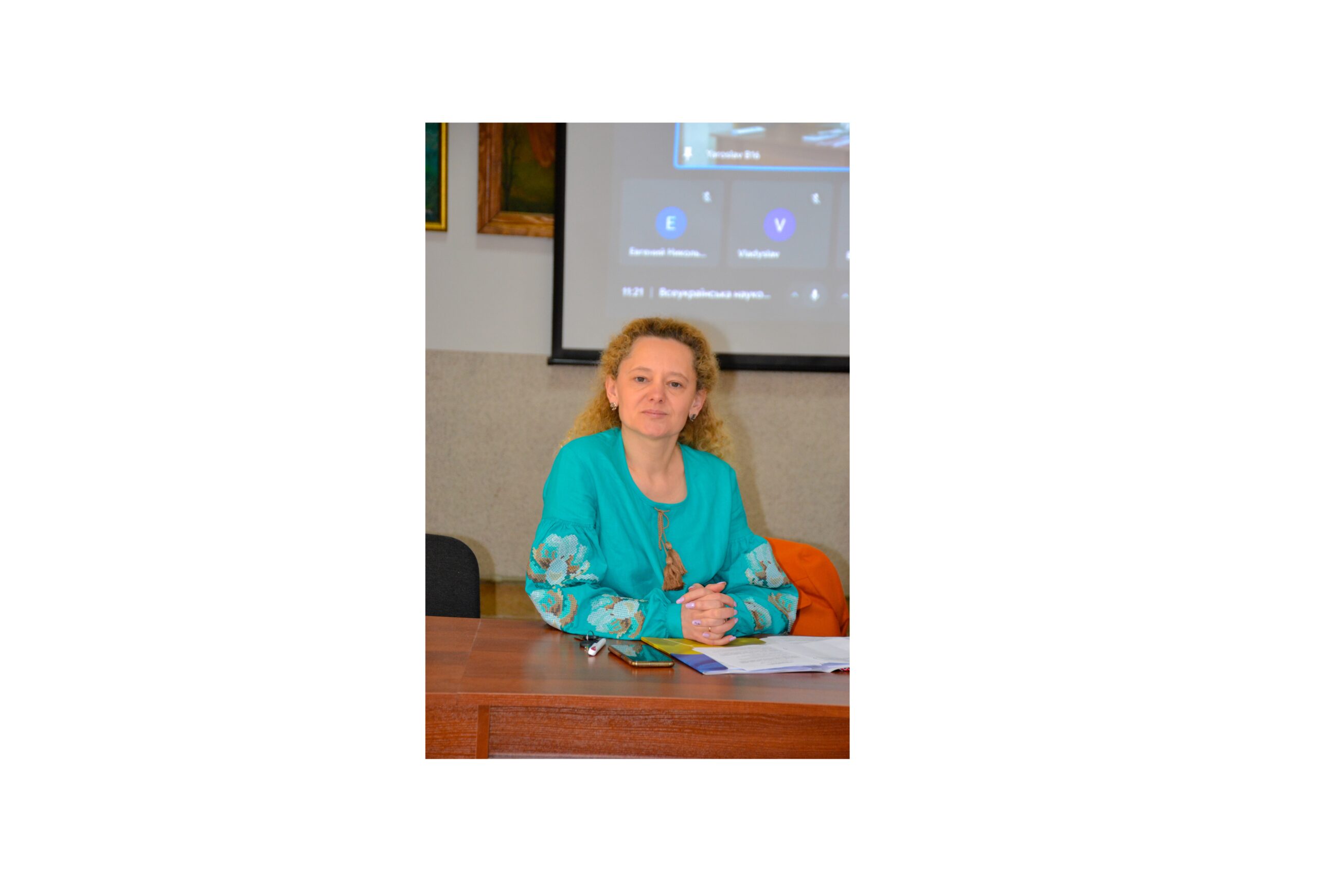
Maryna DUD — Doctor of Pedagogical Sciences, Professor,
Rector of the Carpathian University named after Augustyn Voloshyn
Uzhhorod, September 11, 2025
This article summarizes the impact of Russia’s full-scale war against Ukraine on the higher education system in 2014–2025. It analyzes security risks, destruction of universities, forced digitalization, quality assurance under martial law, financing challenges, and international support. Practical recommendations for universities and public policy during wartime and post-war recovery are provided [1; 3; 5; 10].
The full-scale invasion has created unprecedented conditions for Ukrainian universities: destruction of infrastructure, displacement of students and faculty, constant security threats, power outages, and frequent air raid alarms. At the same time, the state and international partners have launched programs of support and recovery focusing on security, accessibility, and modernization [3; 15].
The foundation for actions in the education sector remains Ukraine’s legislation on education, complemented by special wartime resolutions of the Ministry of Education and Science (MoES). Medium-term priorities are defined in the strategic document “Education of Winners” (until 2027), which directs universities to ensure continuity, quality, and academic integrity under martial law [4; 12].
According to the World Bank (February 2024), at least 89 higher education institutions were damaged or destroyed — more than 12% of all HEIs. This directly affects the ability of universities to provide face-to-face learning and preserve laboratories and dormitories. In response, universities have scaled blended and online formats, built shelters, adapted schedules to air raid alerts, and implemented backup energy solutions [2; 15; 16].
Millions of citizens remain displaced, with many young people studying abroad or in safer regions of Ukraine. UNESCO and World Bank data highlight disrupted educational trajectories, requiring flexible recognition mechanisms, academic mobility programs, and “bridge” schemes to reintegrate students into Ukrainian HEIs [6; 11].
The National Agency for Higher Education Quality Assurance (NAQA) resumed and adapted quality procedures during the first months of the war. In 2024, temporary accreditation mechanisms were formalized, with stronger emphasis on academic integrity and internal quality systems. These steps maintain trust in Ukrainian diplomas and ensure compatibility with the European Higher Education Area [1; 5; 17].
Budget deficits have significantly increased due to wartime expenditures and reduced revenues. According to international estimates, Ukraine’s recovery requires over $ 524 billion, including investments into educational infrastructure. Without targeted investments, disparities in quality and accessibility across universities may deepen [11].
The forced transition to remote formats accelerated digitalization: expansion of LMS platforms, cloud services, e-resources, online examinations, and digital verification tools. International programs (Erasmus+, donor partnerships, World Bank’s LEARN project) play a crucial role in supporting safe, inclusive, and modern higher education [3; 12; 16].
Relocation of faculty, mobilization, family displacement, and migration of research teams undermine stability. Universities require flexible policies: hybrid workloads, joint Ukrainian-international laboratories, and grants aimed at retaining and eventually repatriating young scientists [11].
Massive digitalization brings risks of online fraud, improper use of AI tools, and pressure on research communication. NAQA recommendations on integrity, transparent assessment, and institutional monitoring must be embedded in internal university regulations [5].
For regional HEIs (e.g., in Zakarpattia), priorities include integration of internally displaced students, cooperation with local communities on shelters and logistics, clusters with businesses and authorities for graduate employment, and micro-qualification programs for adults. These directions align with national strategies up to 2027 [12].
Ukrainian higher education has demonstrated resilience, yet requires systemic support along three key axes:
These measures will ensure controlled modernization of the higher education sector during the war and in the recovery phase [3; 5; 15].
© Ужгородський Гуманітарно-економічний коледж. 2026

